General Flooring Options Explained: Hardwood, Vinyl, Laminate, and Carpet
People searching for flooring installation are typically looking to have their chosen flooring options like hardwood, vinyl, laminate, or carpet professionally installed by skilled local contractors who can ensure quality results.
Understanding the different types of flooring options available-such as hardwood, vinyl, laminate, and carpet-can help property owners make informed decisions that enhance both the style and functionality of their spaces. Whether updating a home or preparing a commercial property, exploring these options provides practical insights into durability, maintenance, and aesthetic appeal. Local contractors who specialize in flooring installation can assist in choosing the right material based on specific needs, lifestyle, and budget, ensuring the final result aligns with the property’s purpose and design vision.
As property owners consider the best flooring solutions, it's important to understand how each type performs in various environments. Hardwood offers timeless elegance, vinyl provides water resistance and affordability, laminate balances cost with visual versatility, and carpet adds warmth and comfort. Connecting with experienced service providers ensures the installation process is smooth and tailored to the chosen material, helping to maximize the longevity and appearance of the new flooring. Keep reading to discover more about these options and how local experts can support the project.
- Hardwood flooring installation - needed when homeowners want durable, timeless flooring that enhances interior aesthetics, with local contractors ensuring proper subfloor preparation and precise fitting.
- Vinyl flooring installation - suitable for areas requiring water-resistant surfaces, with service providers focusing on seamless adhesion and smooth surface finishes.
- Laminate flooring installation - ideal for those seeking affordable, easy-to-maintain options, with local pros handling accurate measurements and secure locking systems.
- Carpet installation - chosen for comfort and insulation in bedrooms or living spaces, with specialists ensuring proper padding and secure attachment to subfloors.
- General flooring options explained - help consumers understand when and how different flooring types can be best installed by experienced local service providers.
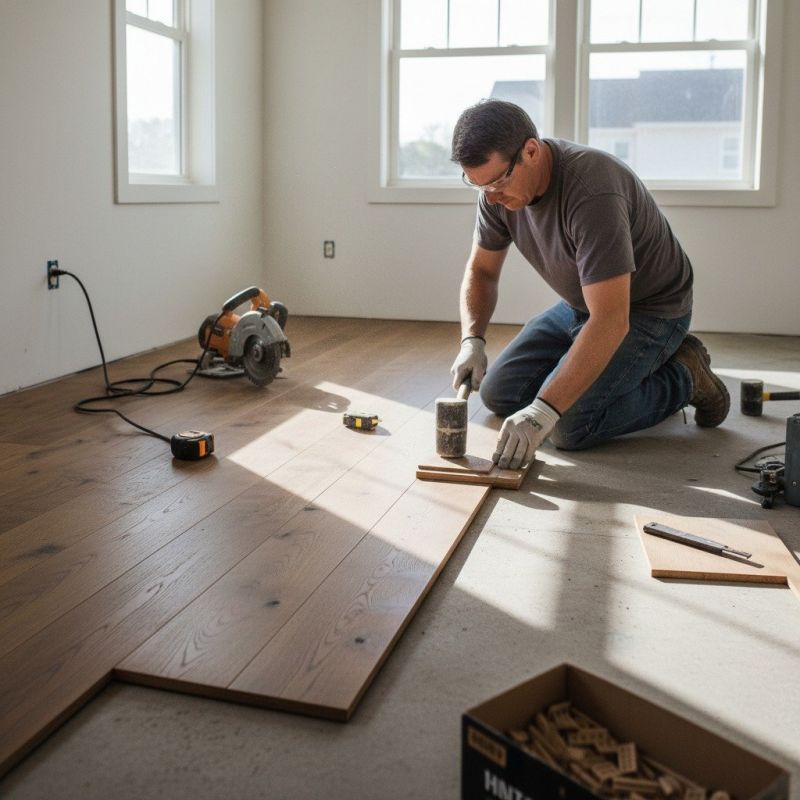
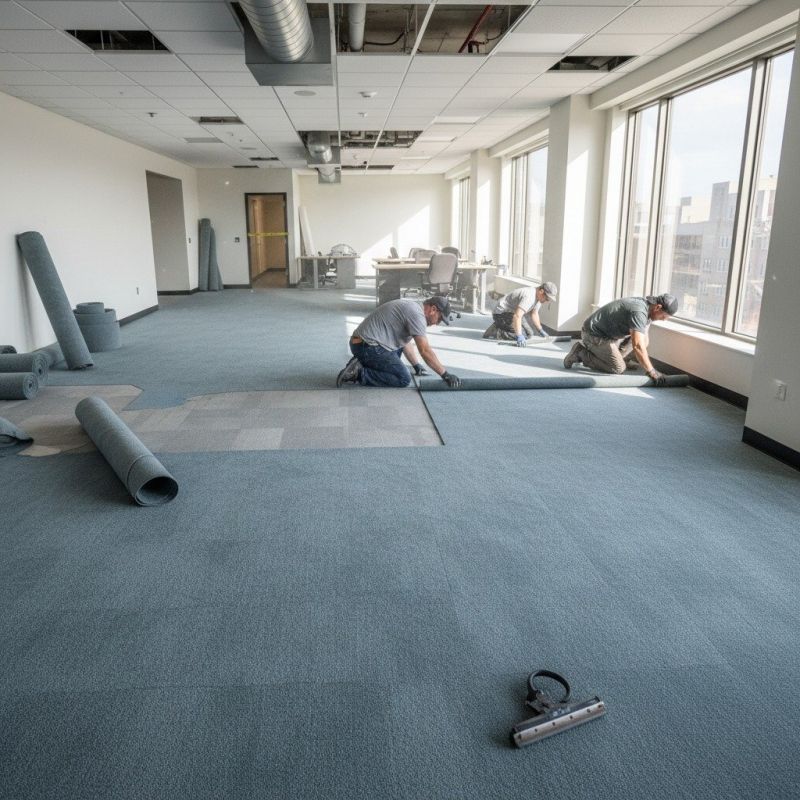
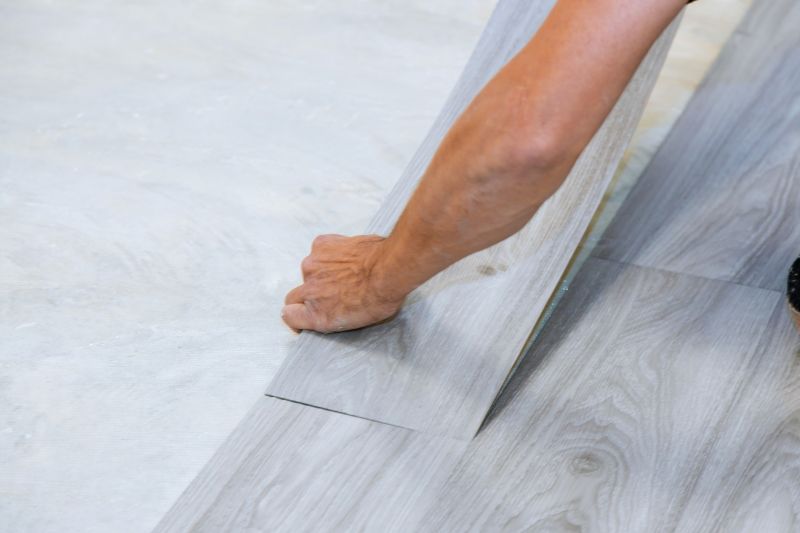
When homeowners search for general flooring options explained: hardwood, vinyl, laminate, and carpet, they are often seeking a clear understanding of the different materials available for their interior spaces. This exploration typically relates to plans for remodeling, upgrading, or replacing existing flooring to improve aesthetics, functionality, or value. Many property owners are trying to determine which type of flooring best suits their lifestyle, budget, and the specific room’s use, whether it’s a living room, bedroom, basement, or commercial space. Understanding the characteristics and differences among these options helps homeowners make informed decisions about what materials will meet their needs and how they can coordinate with existing decor.
The types of properties that come up in discussions about these flooring options are diverse. Residential homes are the most common, ranging from single-family houses to apartment units, where flooring choices can significantly influence comfort and style. Commercial properties, such as offices, retail stores, or hospitality spaces, also frequently require durable and easy-to-maintain flooring solutions. Additionally, properties like basements, garages, or high-traffic areas may demand specific types of flooring that can withstand wear and tear. The scope of a project often depends on the property’s size, usage, and location, which in turn influences the selection of flooring materials and the expertise needed for proper installation.
Each of the four main flooring options-hardwood, vinyl, laminate, and carpet-has distinct qualities that relate to different project needs. Hardwood flooring offers a classic, high-end look and is valued for its durability and longevity, making it popular in living rooms and bedrooms. Vinyl flooring is known for its water resistance and affordability, making it suitable for kitchens, bathrooms, and basements. Laminate provides a cost-effective alternative to hardwood with a similar appearance and is often chosen for high-traffic areas or spaces where ease of maintenance is important. Carpet, meanwhile, provides softness and warmth, making it a common choice for bedrooms and family rooms. Understanding these differences helps homeowners identify which options align with their property’s requirements and how local service providers can assist with professional installation.
Connecting with experienced local contractors is a key step in ensuring the right flooring material is properly installed and suited to the property’s specific conditions. These service providers can assess the space, discuss material options, and recommend solutions that meet the project’s functional and aesthetic goals. Whether it’s installing durable vinyl in a basement or laying elegant hardwood in a living room, professional installation ensures the flooring performs well over time. Homeowners benefit from expert advice on preparation, material selection, and installation techniques, helping to avoid common issues and achieve a finished look that enhances the property’s overall appeal. Proper installation by local pros is essential to maximizing the lifespan and appearance of any flooring choice.
In summary, understanding the different types of flooring-hardwood, vinyl, laminate, and carpet-is a practical step for homeowners planning upgrades or new installations. Each material offers unique benefits suited to various property types and room functions, and the right choice depends on factors like durability, maintenance, and style preferences. Connecting with experienced local service providers can ensure that the selected flooring is installed correctly and efficiently, contributing to a successful project outcome. Whether updating a single room or outfitting an entire property, knowing your options and working with skilled professionals can help turn a flooring project into a lasting improvement.
Flooring removal projects - preparing existing surfaces for new installations involves similar skills and tools used in hardwood, vinyl, laminate, and carpet flooring setups.
Subfloor preparation - ensuring a smooth, level base is essential for all types of flooring and requires precise planning and surface assessment by local contractors.
Underlayment installation - adding cushioning or moisture barriers supports various flooring options and demands knowledge of materials and proper layering techniques.
Room remodeling projects - renovating interior spaces often include flooring upgrades, requiring expertise in layout, measurements, and material handling.
Surface leveling and repair - fixing uneven or damaged subfloors is a common step before installing new flooring, involving similar tools and skills.
Interior finishing services - tasks like baseboard and trim installation complement flooring projects and require compatible planning and execution skills.

When comparing local contractors for flooring installation, it’s important to consider their experience with similar projects involving various flooring options such as hardwood, vinyl, laminate, and carpet. A contractor’s familiarity with these different materials can influence the quality and durability of the finished work. Homeowners should inquire about the types of flooring projects the service providers have completed in the past and whether they have handled installations comparable to what is needed. This background can provide confidence that the contractor understands the specific requirements and challenges associated with each flooring type, helping to ensure a successful outcome.
Clear written expectations are essential when evaluating potential service providers. Homeowners should seek detailed information about the scope of work, including preparation, installation processes, and any necessary surface repairs or adjustments. Well-defined expectations help prevent misunderstandings and ensure that both parties are aligned on project deliverables. Service providers who can articulate their process clearly and provide comprehensive written estimates are more likely to deliver consistent results. Clarifying these details upfront also helps homeowners assess whether the contractor’s approach aligns with their preferences and project goals.
Reputable references and effective communication are key indicators of a dependable flooring installation contractor. Homeowners should ask for references from previous clients who had similar flooring projects, as this can reveal insights into the contractor’s reliability, craftsmanship, and professionalism. Additionally, good communication throughout the process-such as prompt responses to questions and transparent updates-can significantly impact the overall experience. Choosing a service provider who demonstrates openness, responsiveness, and a willingness to address concerns can help ensure the project proceeds smoothly and meets expectations.
Property owners often search for general flooring options explained: hardwood, vinyl, laminate, and carpet when they are planning practical projects around their homes and businesses. Local pros provide Flooring Installation services for everyday jobs and straightforward project options.
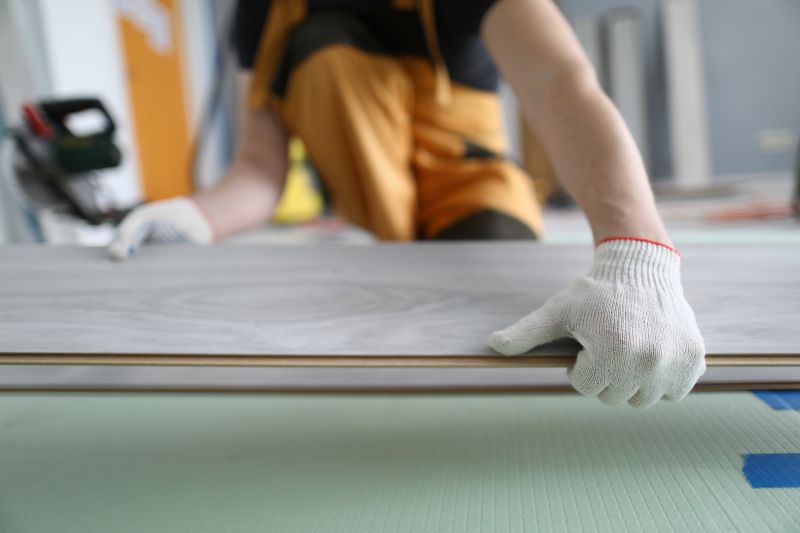
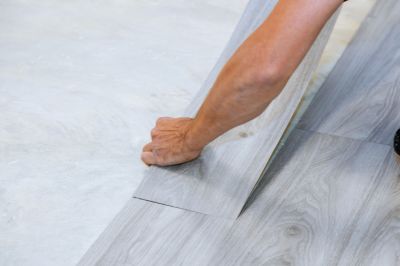
When considering different flooring options for a home or business, property owners often explore the basics of hardwood, vinyl, laminate, and carpet. Each type offers distinct advantages suited to various everyday needs and lifestyles. For instance, hardwood flooring provides a classic, durable surface that enhances the aesthetic appeal of living rooms and bedrooms, while vinyl flooring is known for its water resistance and ease of maintenance, making it popular in kitchens and bathrooms. Laminate flooring offers a cost-effective alternative that mimics the look of hardwood or stone, ideal for high-traffic areas, and carpets bring comfort and warmth to bedrooms and family spaces. Local service providers can assist in evaluating these options and handling the installation process to ensure the chosen flooring meets the specific needs of each property.
Property owners in the area who are planning a renovation or upgrading their space often look up general flooring options explained: hardwood, vinyl, laminate, and carpet to better understand what suits their project. Whether updating a single room or a whole property, understanding the characteristics of each flooring type helps in making informed decisions. Local contractors experienced in flooring installation can provide guidance on selecting the right materials and ensure proper setup, helping property owners achieve a finished look that aligns with their lifestyle and functional requirements. Connecting with these local specialists can streamline the process and bring expert knowledge to every step of the project.
What are the main differences between hardwood, vinyl, laminate, and carpet flooring options? Hardwood flooring is made from solid wood or engineered wood and offers a natural, warm appearance. Vinyl flooring is a synthetic material that is durable and water-resistant, ideal for high-moisture areas. Laminate flooring mimics the look of wood or stone with a photographic layer and a protective top layer, providing affordability and ease of maintenance. Carpet is soft and plush, offering comfort and insulation, making it suitable for bedrooms and living areas. Local contractors can help determine which flooring type best suits specific needs and preferences.
How does the installation process vary among different flooring types? Hardwood flooring typically requires precise subfloor preparation and professional installation to ensure a secure and even surface. Vinyl flooring can often be installed as a click-lock or peel-and-stick product, making some options easier for DIY, but professional installation ensures a seamless look. Laminate flooring is usually installed using a floating method, which involves locking planks together without adhesive, often handled efficiently by local service providers. Carpet installation involves stretching or gluing the carpet to a prepared subfloor, a task best performed by experienced installers for a smooth finish. Local pros can handle each installation with proper techniques for optimal results.
Are there specific considerations for choosing flooring options based on room types? Yes, hardwood is suitable for living rooms and bedrooms but may not be ideal for areas prone to moisture, like basements or bathrooms. Vinyl is highly water-resistant and durable, making it a good choice for kitchens and bathrooms. Laminate offers a similar appearance to hardwood but is more resistant to scratches and moisture, suitable for high-traffic areas. Carpet provides comfort and sound insulation, making it popular in bedrooms and living spaces but less ideal for moisture-prone areas. Local flooring professionals can advise on the best options for each room based on usage and conditions.
What maintenance considerations should be kept in mind for different flooring options? Hardwood floors require regular cleaning and occasional refinishing to maintain their appearance. Vinyl flooring is easy to clean with regular sweeping and mopping, and it resists stains well. Laminate flooring should be cleaned with a damp cloth and avoided excessive moisture to prevent damage. Carpet needs regular vacuuming and periodic deep cleaning to remove dirt and allergens. Local service providers can assist with recommended cleaning routines and maintenance tips to keep each flooring type looking its best.
Can local contractors help with selecting the right flooring options for specific needs? Yes, local flooring installation service providers can offer expert advice on the best flooring options based on the intended use, room conditions, and personal preferences. They can assess the space, discuss the benefits and limitations of each type, and help choose the most suitable flooring material. Additionally, they can provide professional installation to ensure the chosen flooring is properly installed for durability and appearance. Contacting local contractors is a practical step toward achieving the desired flooring results.
Assessing durability needs - property owners can consider how each flooring type withstands daily wear when planning a renovation with local contractors.
Matching style with function - choosing between hardwood, vinyl, laminate, and carpet helps property owners create spaces that suit their lifestyle and aesthetic preferences.
Preparing for installation - understanding the specific subfloor requirements and surface conditions ensures a smooth flooring installation process with local service providers.
Considering maintenance routines - selecting a flooring option that aligns with ease of cleaning and upkeep can influence long-term satisfaction with the new surface.
If you are thinking about general flooring options explained: hardwood, vinyl, laminate, and carpet for a property, this guide is meant to help you understand this topic, the typical project types, and how different options might fit your plans.
When you are ready, you can use the quote form on this page to share a few details about your project. From there, local pros can review the basics and follow up with options that match what you have in mind.